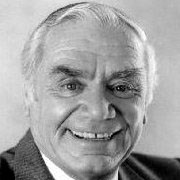
Statement from the Vice Chancellor of the University:
http://www.uea.ac.uk/mac/comm/media/pre ... sellreport(Emphasis mine)
Quote:
Nine months ago there was an unjustified attack on the scientific integrity of researchers at the University of East Anglia and, as a result, on climate science as a whole.
Emails stolen from this university were selectively misused to make serious allegations about the work of the Climatic Research Unit and the people who worked there or were connected to it.
Some people accepted those misrepresentations at face value without question and repeated them as fact.
Today, for the third and hopefully for the final time, an exhaustive independent review has exposed as unfounded the overwhelming thrust of the allegations against our science.
We hope that commentators will accurately reflect what this highly detailed independent report says, and finally lay to rest the conspiracy theories, untruths and misunderstandings that have circulated.
Sir Muir Russell's team concludes about the staff of CRU that "their rigour and honesty as scientists are not in doubt".
Furthermore, they “did not find any evidence of behaviour that might undermine the conclusions of the IPCC assessments" and, the report states, there was “no evidence to substantiate” allegations of perversion of the peer review or editorial process.
In summary, the report dismisses allegations that our scientists destroyed or distorted data, tried to pervert peer review and attempted to misuse the IPCC process.
We hope this exoneration of UEA climate scientists and their research collaborators around the world, some of whom have suffered considerably during this experience, will be widely reported.
I am also pleased to announce that Phil Jones has accepted the new post of Director of Research in the Climatic Research Unit with immediate effect. This will provide him with the opportunity to continue the world-leading research which has made CRU a household name.
The report makes many important and salutary points which require detailed consideration by the university, the wider research community and other bodies involved in this matter.
We accept the report’s conclusion that we could and should have been more proactively open, not least because – as this exhaustive report makes abundantly clear – we have nothing to hide.
The need to develop a culture of greater openness and transparency in CRU is something that we faced up to internally some months ago and we are already working to put right. The report gives sound advice in this area.
We accept the need for our response to Freedom of Information requests to be positive and appropriate and we are confident that steps we have already taken in this area will improve further the awareness and understanding of the importance of the Act within the University.
The report fairly reflects some of the frustrations which may have contributed to the attitudes of the scientists involved in this respect, but rightly doesn't accept them as valid reasons.
There are a number of conclusions, findings, and recommendations in this report not just for UEA but for the whole academic and research community
We will all have to take them away and consider them in depth. We expect to accept those which affect us directly and we will examine the best way forward.
There are broad implications for the conduct, accessibility and funding of research in the UK which call for consideration by third parties, including the Information Commissioner’s Office and Research Councils. We welcome the opportunity to play our part in these wider discussions.
However, the overwhelming conclusion of this report is clear - that the scientific integrity of UEA, its CRU and its scientists is beyond reproach. We hope this means that the wilder assertions about the climate science community will stop.
Full report available here:
http://www.cce-review.org/TL:DR :
The accusations against the involved scientists based on the stolen emails were drummed up and had zero merit. The scientists did make some mistakes that are spelled out in the report, but they found that willful manipulation of data to reach predetermined conclusions did not take place.

 Login
Login Register
 FAQ
FAQ Search